
The right hearing aid for you requires clinical expertise.
Understand your options and choose technology that delivers the best hearing outcomes for your individual needs.
Sydney's Northern Beaches
HEARING TECHNOLOGY
The right hearing aid for you requires clinical expertise.
At Complete Hearing Care, hearing aid recommendations follow careful diagnostic evaluation. Technology is selected based on clinical findings, lifestyle requirements, and long-term hearing outcomes.
Clinics: Gateway Medical Centre, Mona Vale
Visiting: Dural and Narrabeen
If you’ve been told you need hearing aids, or suspect you do, we help you understand your options and choose technology that delivers real benefit.

Independently owned. Access to all leading hearing aid brands.
Servicing Sydney's northern beaches.
Neeti Chadha - Director of Audiology
HEARING TECHNOLOGY
Advanced, discreet and designed for real-world listening
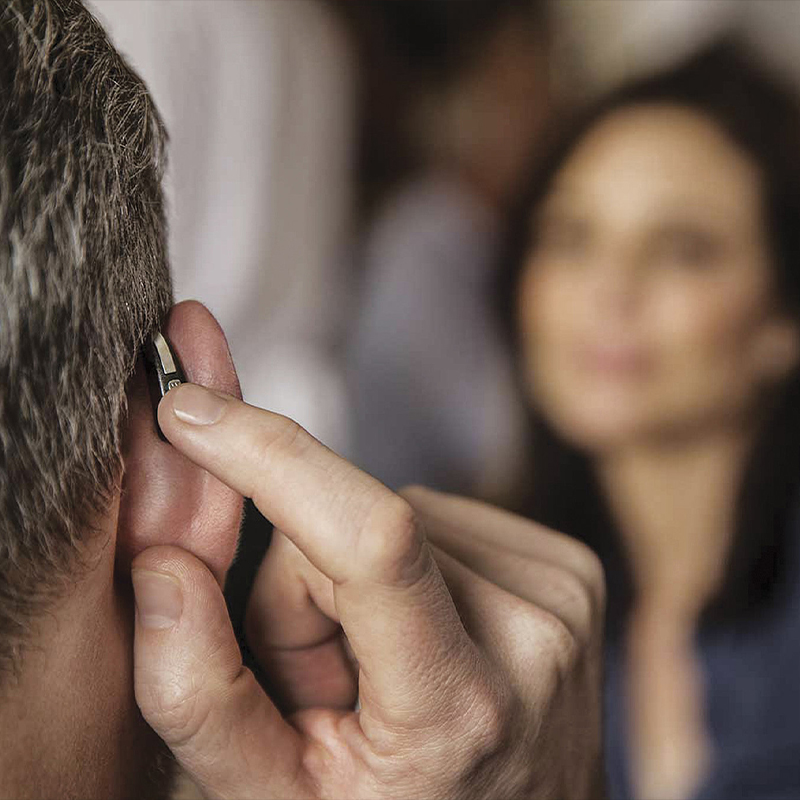
Hearing technology continues to advance in this digital age. Modern devices are discreet, highly adaptive, and engineered to respond dynamically to complex listening environments. For wearers, the difference is not volume, it is clarity, reduced listening effort, and renewed ease in conversation.
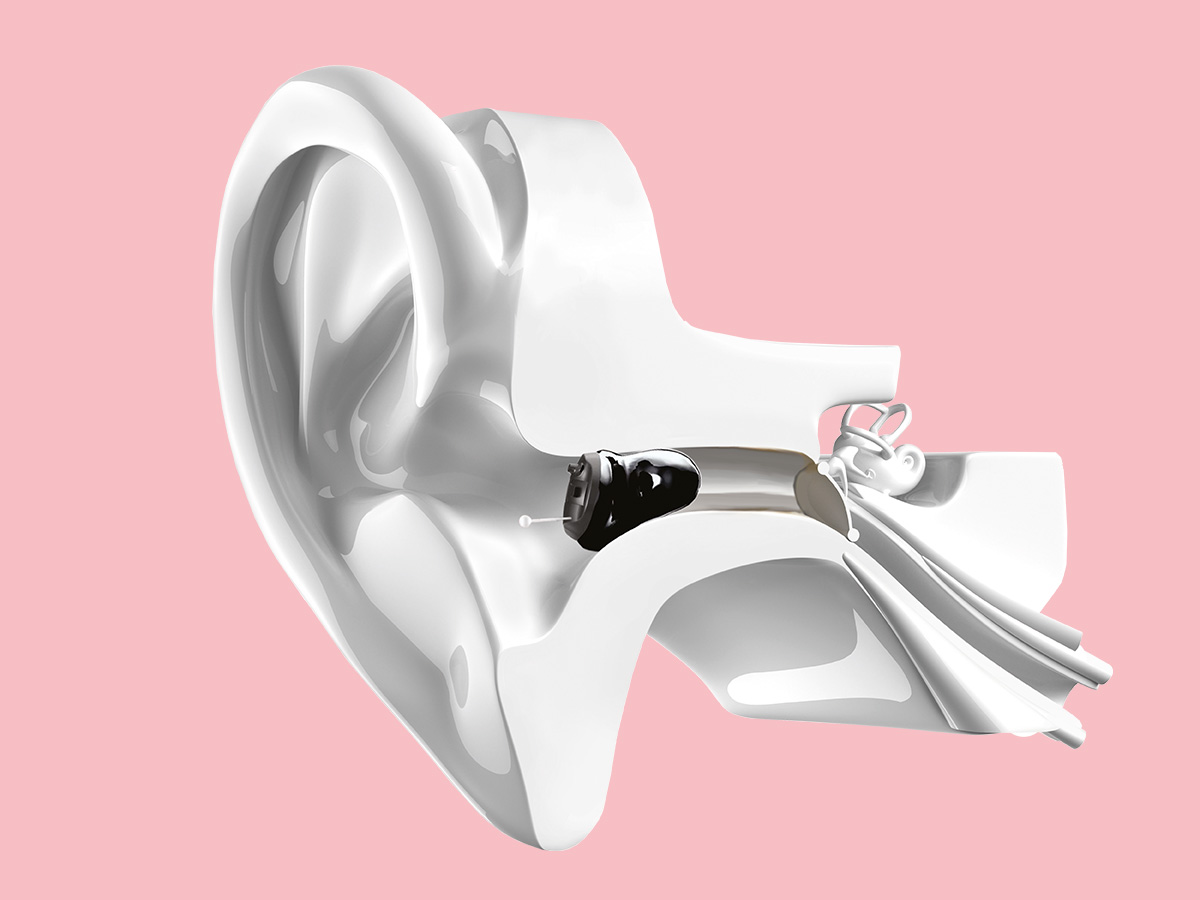
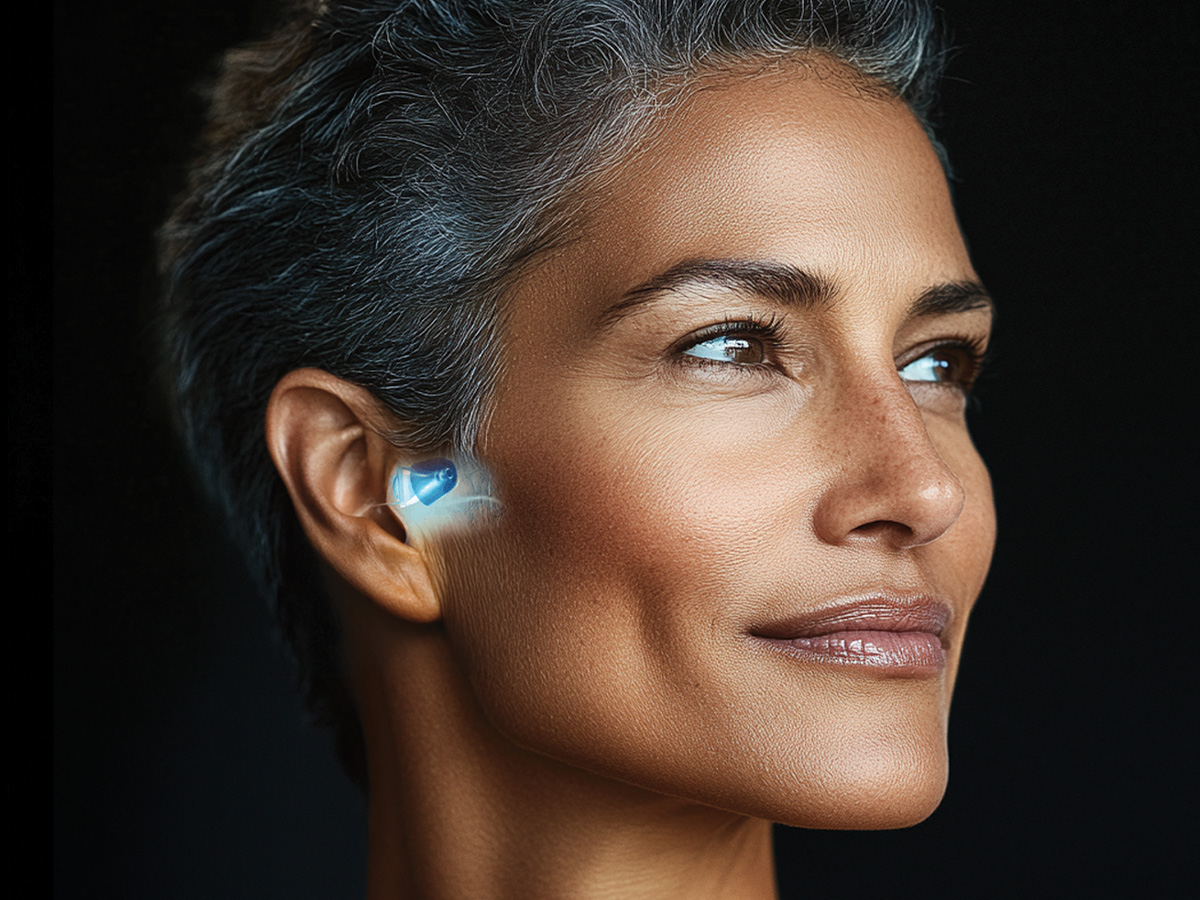
Practically invisible
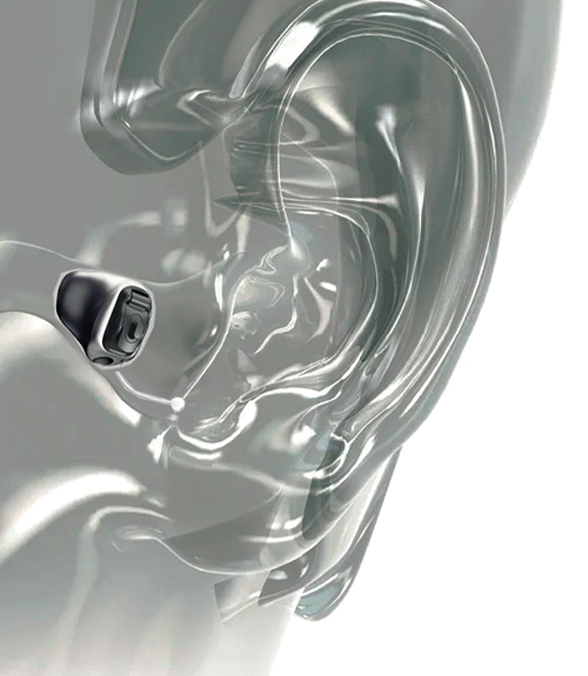
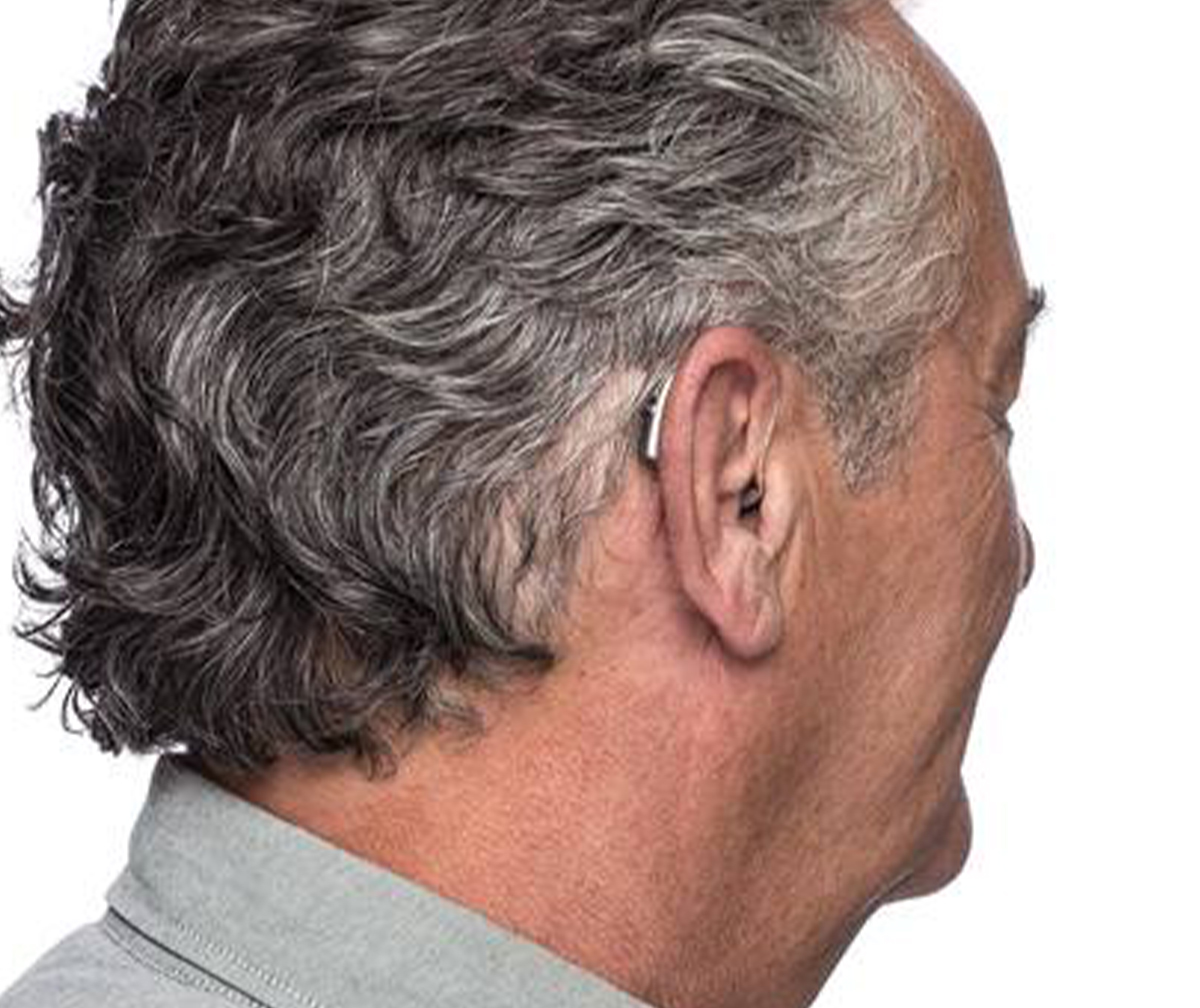
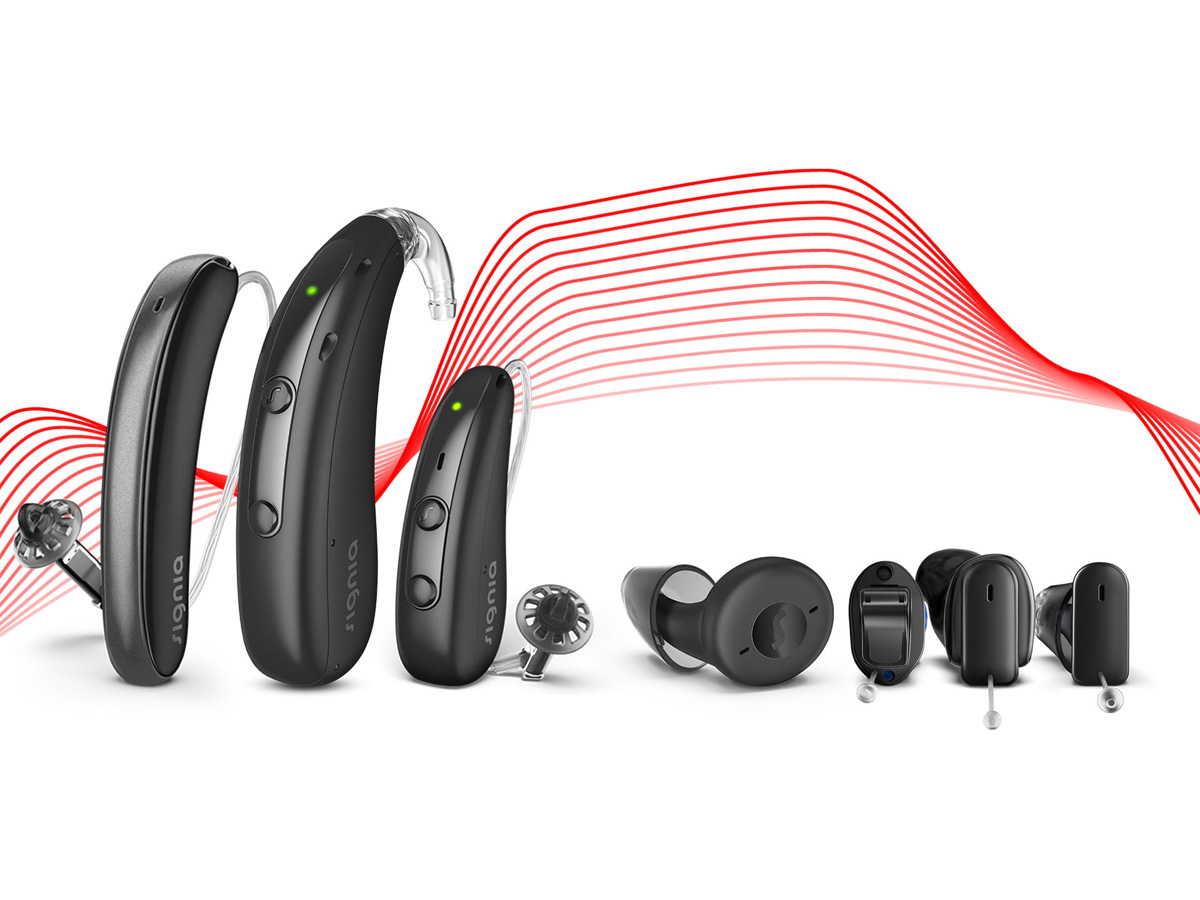
Contemporary hearing aids are compact and ergonomically designed. Many models sit comfortably behind or within the ear, blending naturally and unobtrusively into daily life.
'Looks are no longer a barrier to improved hearing.
Intelligent sound processing
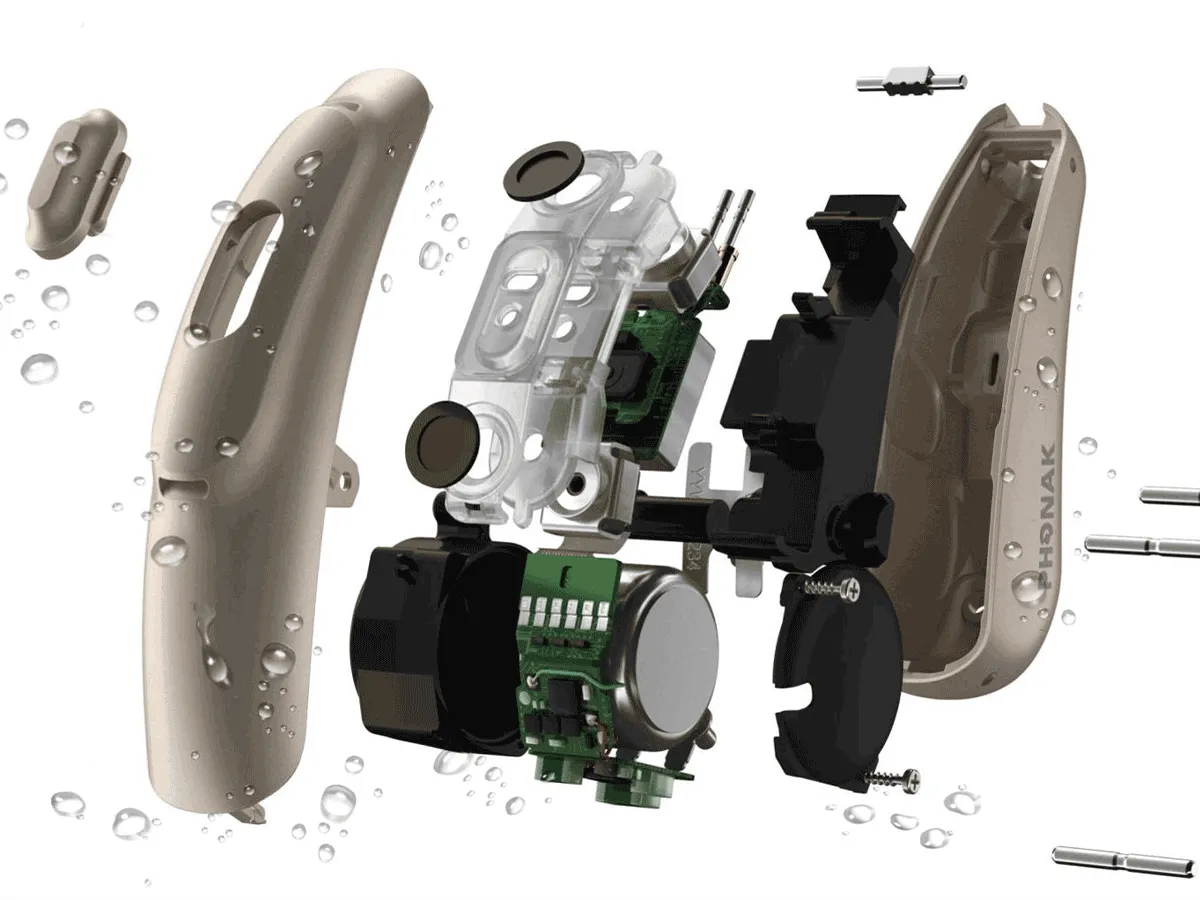
Modern devices analyse the sound environment thousands of times per second to:
Prioritise speech and other desirable sounds (e.g. music) over background noise.
Adjust automatically between environments
Support spatial awareness
Reduce sudden sharp sounds
The result is smoother, more natural listening.
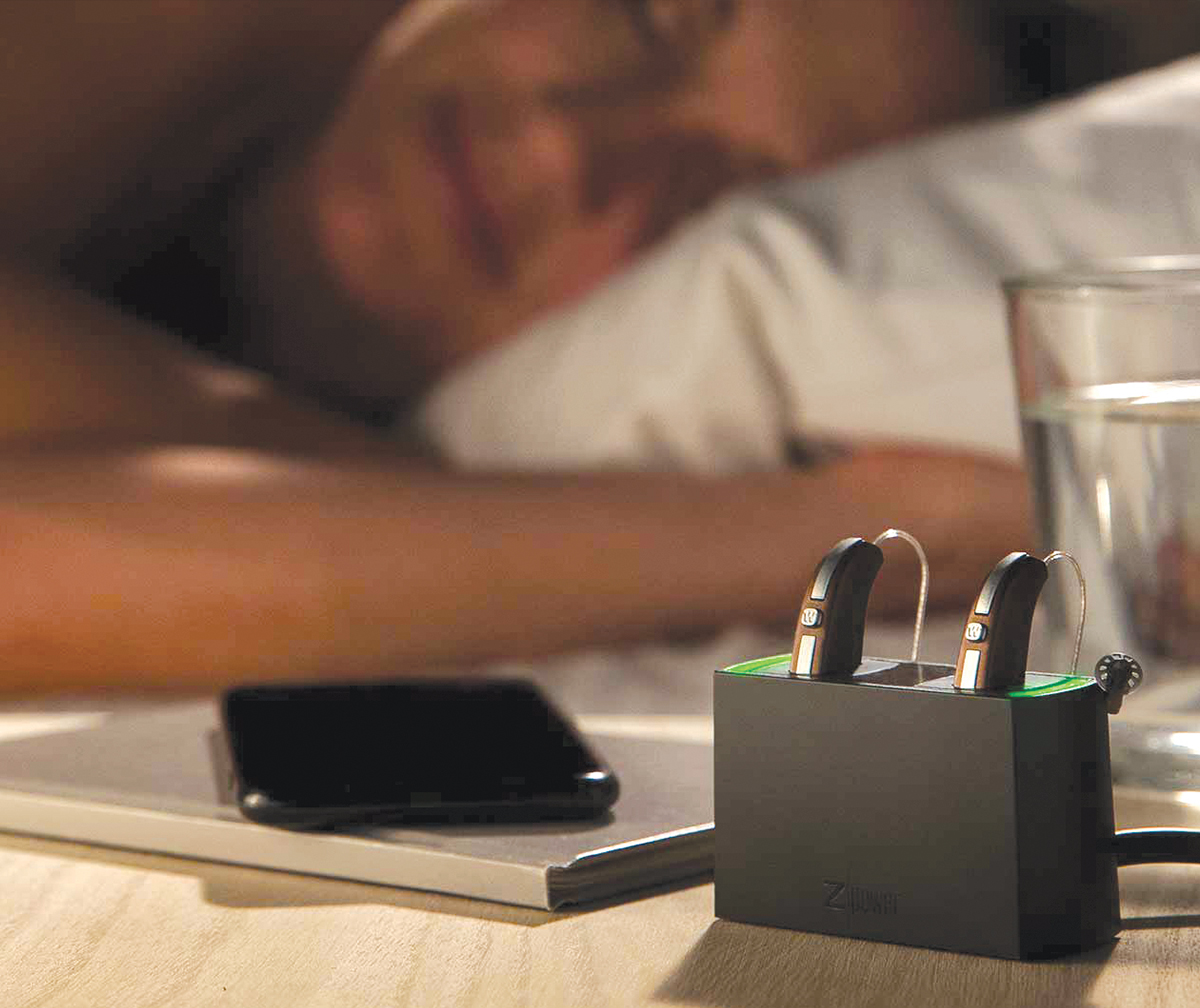
Rechargeable hearing aids
Charge overnight, and you'll never need to handle fiddly disposable batteries.
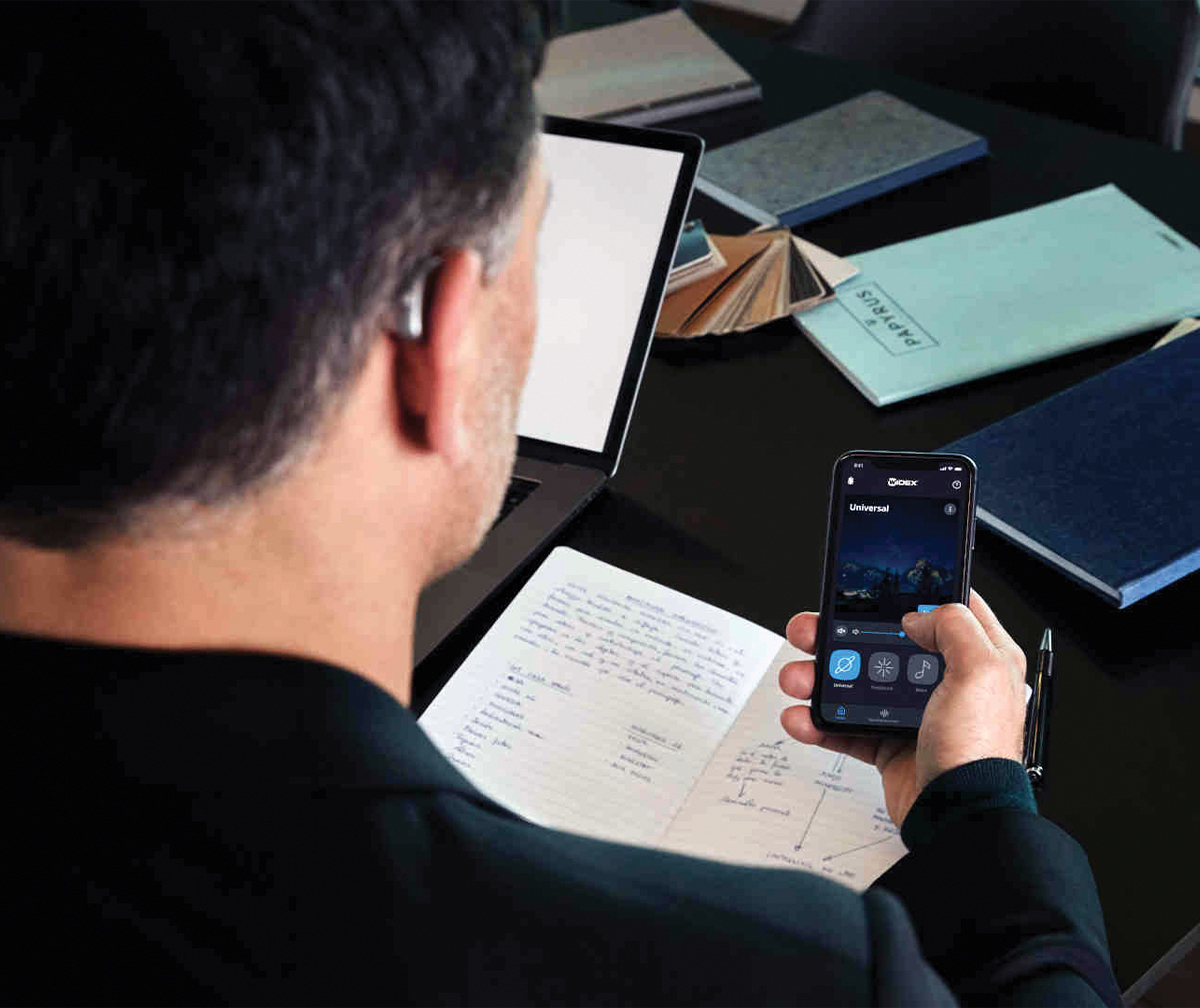
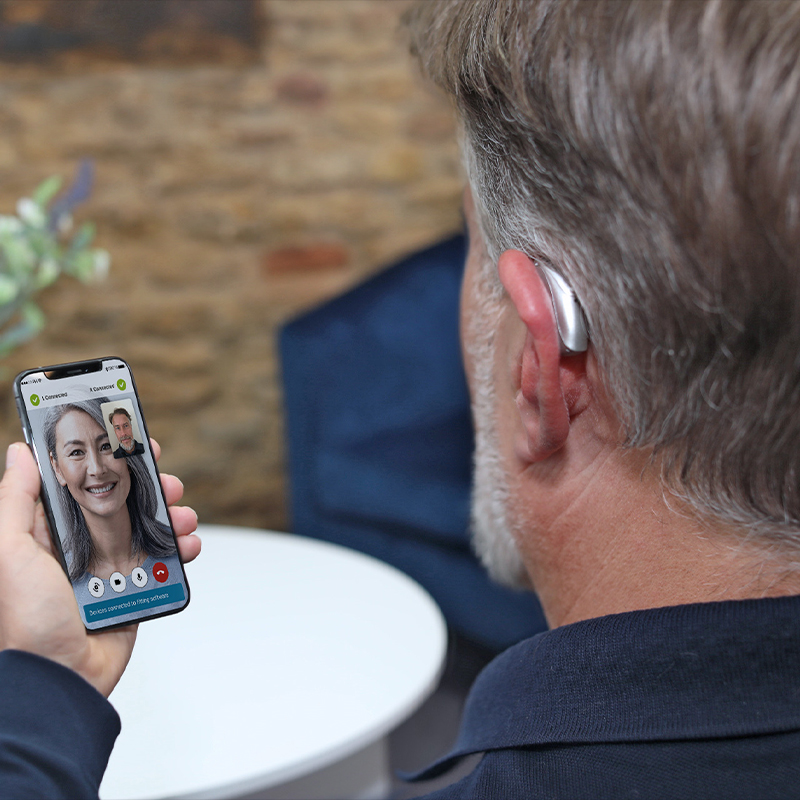
Seamless connectivity
Most hearing aids connect to phones, TVs, and other devices for easier listening and perfect clarity.
Prescribed for you
No two hearing losses are identical. Technology is programmed to match your specific audiometric pattern and preferences, ensuring amplification is tailored rather than generic. Appropriate fitting is what transforms technology from impressive tech into meaningful improvements in listening and communication.


Patients often tell us that once properly fitted, the most noticeable change is not volume — it is effort. Conversations become less tiring. Background noise feels more manageable. Social situations feel more relaxed.
That ease is often what restores confidence.
ARE YOU TOO YOUNG FOR HEARING AIDS?
When hearing technology is appropriate
Before any recommendation is made, it is important to understand how hearing changes occur, how they are assessed, and when technology provides meaningful benefit. Decisions should be guided by clinical findings and quality-of-life impact — not assumptions about age.
When considering hearing aids for the first time, it's completely natural to ask:
“Am I too young for hearing aids?” Or, “Is my hearing really bad enough?”
Hearing changes do become more common with age. That is well established.
But hearing loss does not adhere to a specific number.
We routinely see professionals in their 40s and 50s who are noticing early changes.
We also see active retirees who are surprised by the degree of difficulty they have in background noise.
And we see individuals who have been quietly compensating for years before seeking advice.
Hearing changes do become more common with age. But they do not follow a strict timeline.
Some people begin noticing listening fatigue in their 40s. Others may not consider technology until much later. What matters most is not age — it is whether hearing changes are affecting clarity, confidence, or communication.
Modern hearing technology is discreet, intelligent, and capable of delivering meaningful improvement when appropriately selected. Many people report feeling more connected, more confident, and less fatigued once the right support is in place.
While a comprehensive hearing assessment is required before we recommend or fit any hearing aids, you may prefer to begin with a brief, obligation-free discussion to understand your options. We offer FREE 15-minute Technology Discussions, either in the centre or over the phone, with our audiologist for exactly that purpose.


Independently owned. Access to all leading hearing aid brands.
Servicing Sydney's northern beaches.
Neeti Chadha - Director of Audiology
HEARING TECHNOLOGY
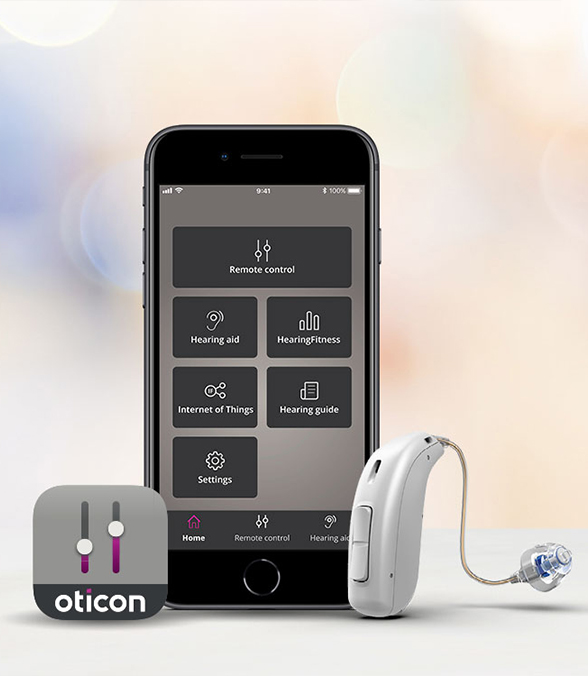
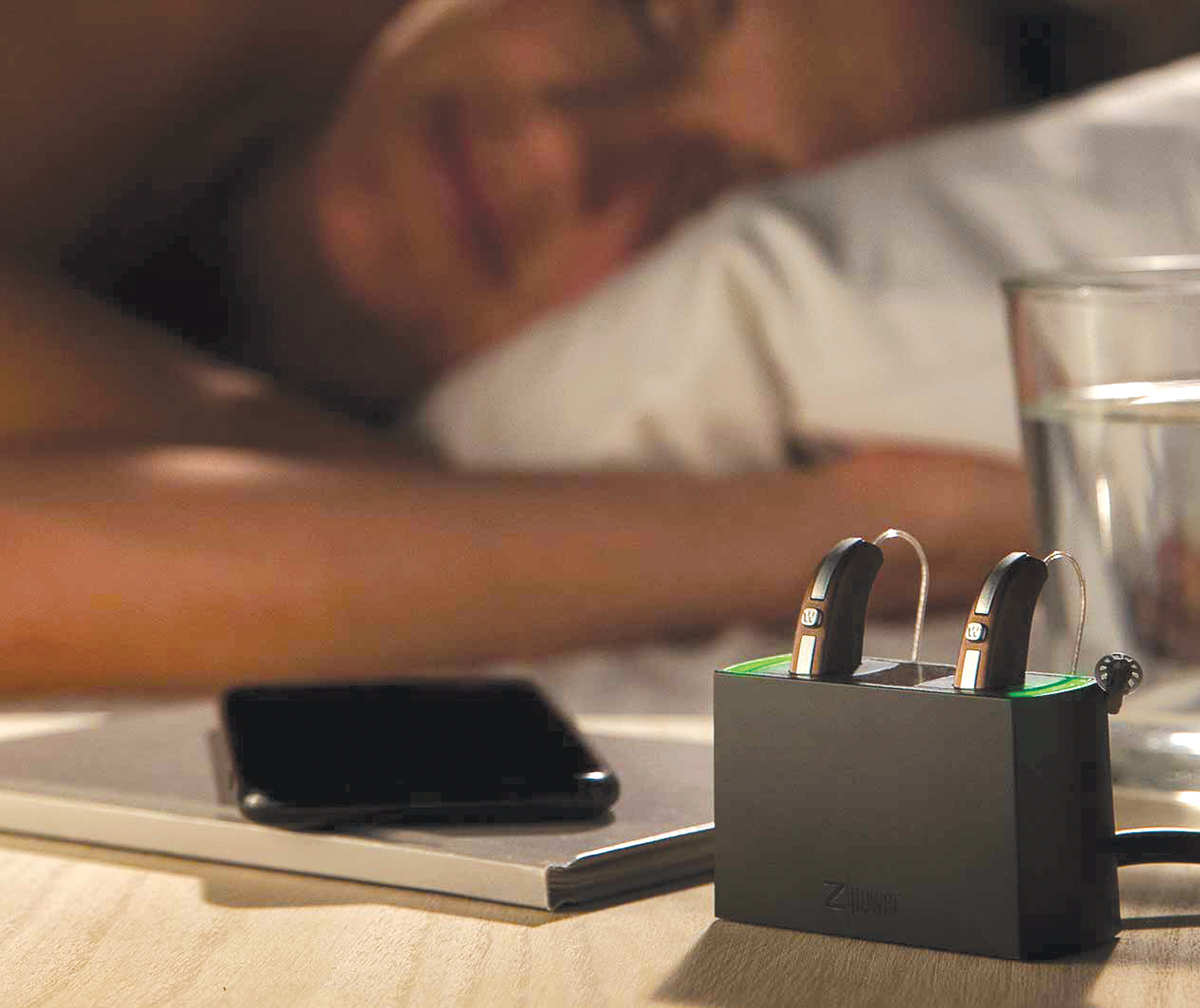
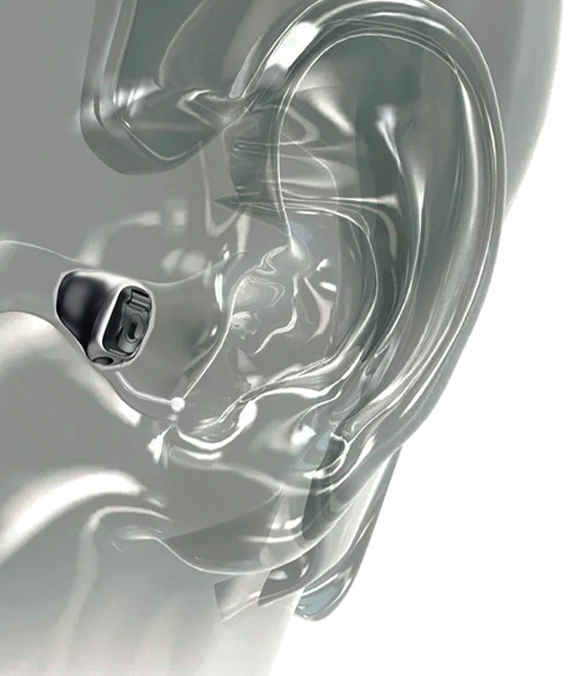

Advanced, discreet and designed for real-world listening
Hearing technology continues to advance in this digital age. Modern devices are discreet, highly adaptive, and engineered to respond dynamically to complex listening environments. For wearers, the difference is not volume, it is clarity, reduced listening effort, and renewed ease in conversation.
Practically invisible
Contemporary hearing aids are compact and ergonomically designed. Many models sit comfortably behind or within the ear, blending naturally and unobtrusively into daily life.
''Looks' are no longer a barrier to improved hearing.
Intelligent sound processing
Modern devices analyse the sound environment thousands of times per second to:
Prioritise speech and other desirable sounds (e.g. music) over background noise.
Adjust automatically between environments
Support spatial awareness
Reduce sudden sharp sounds
The result is smoother, more natural listening.
Rechargeable hearing aids
Charge overnight, and you'll never need to handle fiddly disposable batteries.
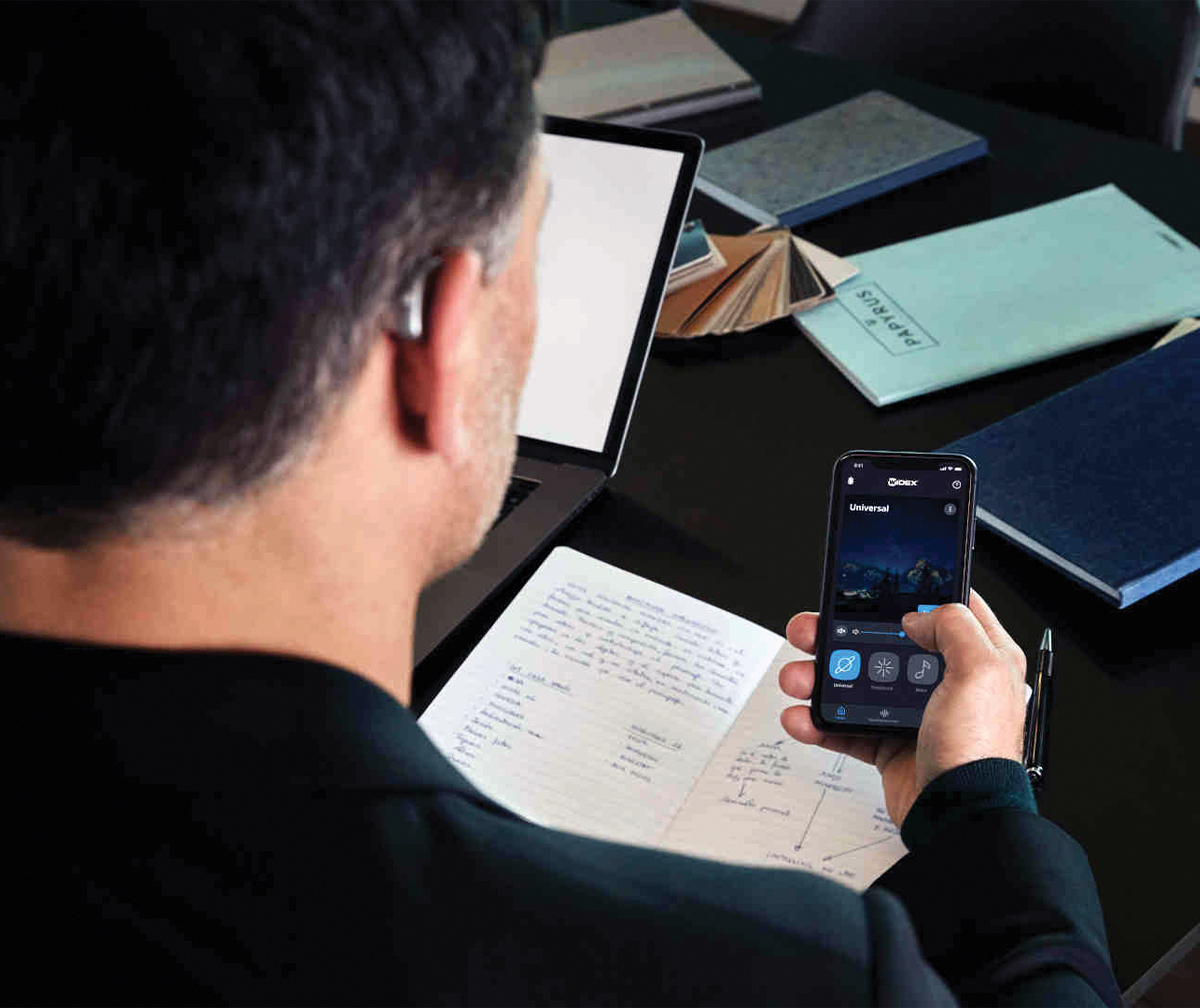
Seamless connectivity
Most hearing aids connect to phones, TVs, and other devices for easier listening and perfect clarity.
Prescribed for you
No two hearing losses are identical. Technology is programmed to match your specific audiometric pattern and preferences, ensuring amplification is tailored rather than generic. Appropriate fitting is what transforms technology from impressive tech into meaningful improvements in listening and communication.
Patients often tell us that once properly fitted, the most noticeable change is not volume — it is effort. Conversations become less tiring. Background noise feels more manageable. Social situations feel more relaxed.
That ease is often what restores confidence.
ARE YOU TOO YOUNG FOR HEARING AIDS?
When hearing technology is appropriate
Before any recommendation is made, it is important to understand how hearing changes occur, how they are assessed, and when technology provides meaningful benefit. Decisions should be guided by clinical findings and quality-of-life impact, and not assumptions about age.
When considering hearing aids for the first time, it's completely natural to ask:
“Am I too young for hearing aids?” Or, “Is my hearing really bad enough?”
Hearing changes do become more common with age. That is well established.
But hearing loss does not adhere to a specific number.
We routinely see professionals in their 40s and 50s who are noticing early changes.
We also see active retirees who are surprised by the degree of difficulty they have in background noise.
And we see individuals who have been quietly compensating for years before seeking advice.
Hearing changes do become more common with age. But they do not follow a strict timeline.
Some people begin noticing listening fatigue in their 40s. Others may not consider technology until much later. What matters most is not age — it is whether hearing changes are affecting clarity, confidence, or communication.
Modern hearing technology is discreet, intelligent, and capable of delivering meaningful improvement when appropriately selected. Many people report feeling more connected, more confident, and less fatigued once the right support is in place.
While a comprehensive hearing assessment is required before we recommend or fit any hearing aids, you may prefer to begin with a brief, obligation-free discussion to understand your options. We offer FREE 15-minute Technology Discussions, either in the centre or over the phone, with our audiologist for exactly that purpose.
FREE TECHNOLOGY DISCUSSION

Talk with an expert to discuss your options
A free technology discussion is designed to help you understand suitable hearing technology, based on your individual hearing needs and circumstances. No pressure. No obligation.
We offer a complimentary 15-minute technology discussion for individuals who:
Are considering hearing aids for the first time
Want to understand how modern devices differ
Have questions about suitability
Would like clarity before taking the next step
This discussion allows you to ask questions openly and understand how we approach technology recommendations.
If further assessment is appropriate, we will explain why and outline the process clearly.
Or, a second opinion?
Hearing aids are a meaningful investment. But comparing features, performance levels, and pricing between your choices is complex. Determining whether a recommended solution truly aligns with your specific hearing profile, communication environments, and budget can be challenging.
If you value a trusted and independent second opinion, we are happy to provide one. This may involve:
Reviewing your existing audiogram
Offering a more competitive price for your consideration
Explaining the level of technology recommended and why
Clarifying feature differences in practical terms
Assessing whether the proposed solution suits your lifestyle needs
Discussing alternative options where appropriate
Our goal is not to undermine another provider’s advice. It's to help you understand your options and feel confident in your decisions.
We’ll always guide you to the most appropriate next step based on your hearing, not push you into a decision.
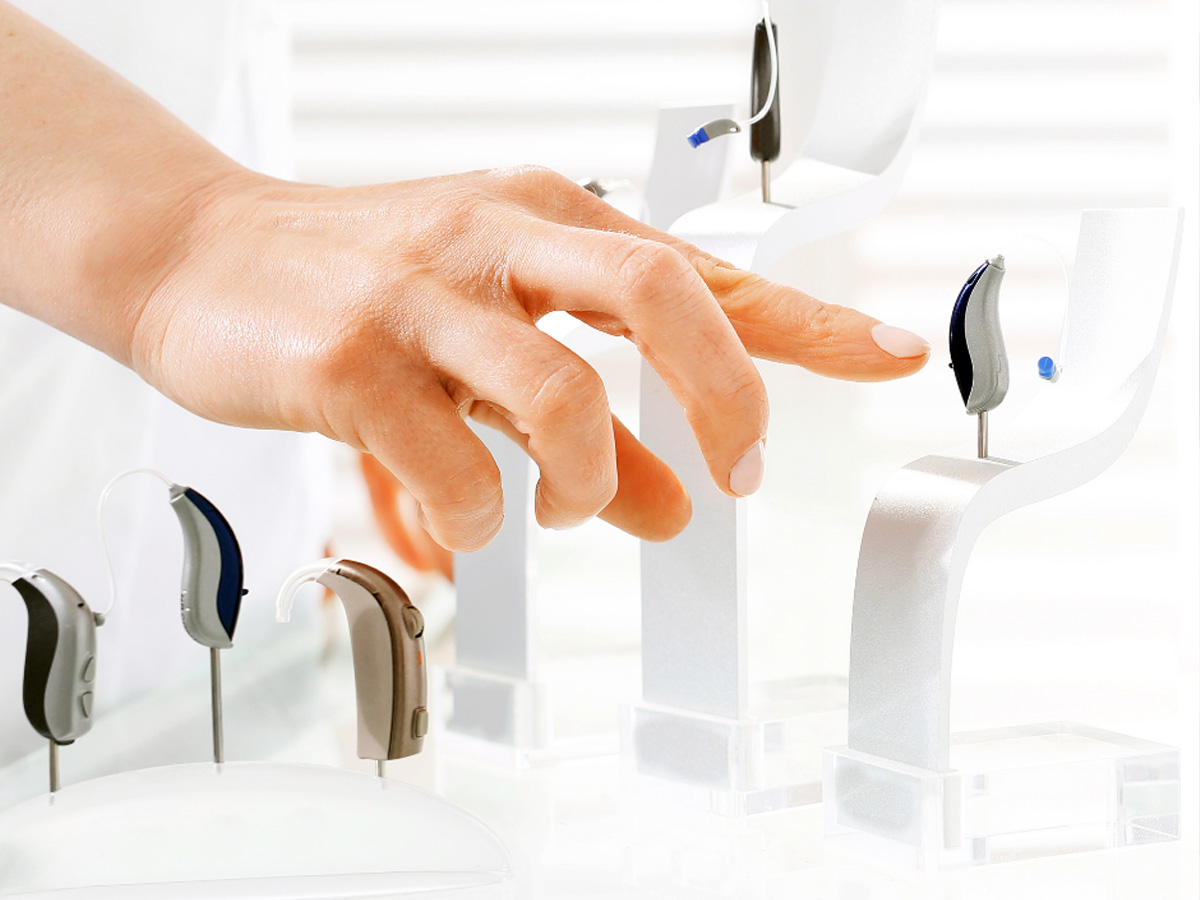
FREE TECHNOLOGY DISCUSSION
Talk with an expert to discuss your options
A free technology discussion is designed to help you understand suitable hearing technology, based on your individual hearing needs and circumstances. No pressure. No obligation.
We offer a complimentary 15-minute technology discussion for individuals who:
Are considering hearing aids for the first time
Want to understand how modern devices differ
Have questions about suitability
Would like clarity before taking the next step
This discussion allows you to ask questions openly and understand how we approach technology recommendations.
If further assessment is appropriate, we will explain why and outline the process clearly.
Or, a second opinion?
Hearing aids are a meaningful investment. But comparing features, performance levels, and pricing between your choices is complex. Determining whether a recommended solution truly aligns with your specific hearing profile, communication environments, and budget can be challenging.
If you value a trusted and independent second opinion, we are pleased to provide one. This may involve:
Reviewing your existing audiogram
Offering a more competitive price for your consideration
Explaining the level of technology recommended and why
Clarifying feature differences in practical terms
Assessing whether the proposed solution suits your lifestyle needs
Discussing alternative options where appropriate
Our goal is not to undermine another provider’s advice. It's to help you understand your options and feel confident in your decisions.
We’ll always guide you to the most appropriate next step based on your hearing, not push you into a decision.
CHOICE. BETTER PRICING. ADVICE YOU CAN TRUST.
Why Independence Is Clinically Important
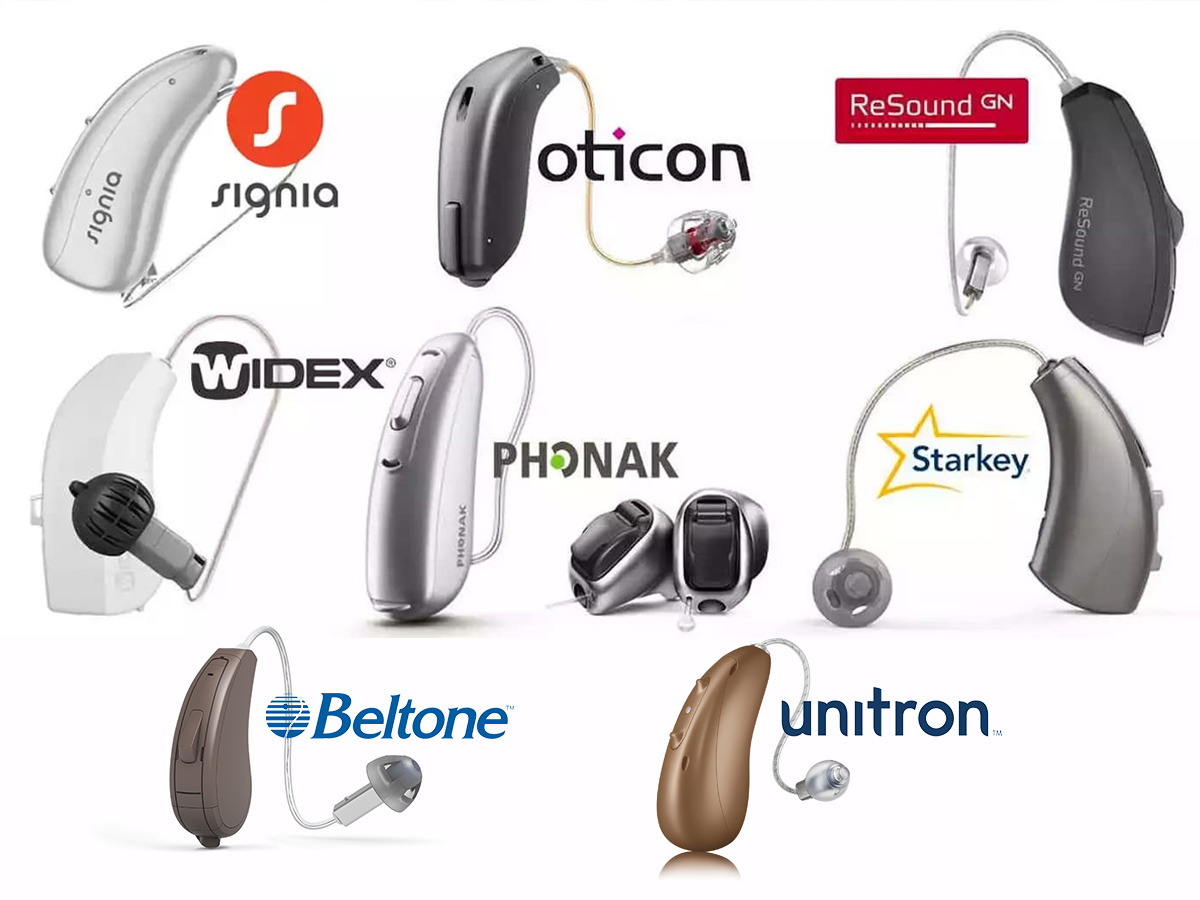
As an independent audiology clinic, Complete Hearing Care is not aligned with a single manufacturer. This ensures that our clients:
Have access to suitable tech from all leading manufacturers;
Are recommended solutions based purely on their unique needs;
Are never pressured by marketing and sales tactics
CHOICE. BETTER PRICING. TRUSTED ADVICE.
Why Independence Is Clinically Important
As an independent audiology clinic, Complete Hearing Care is not aligned with a single manufacturer. This ensures that our clients:
Have access to suitable tech from all leading manufacturers;
Are recommended solutions based purely on their unique needs;
Are never pressured by marketing and sales tactics
TAKING THE NEXT STEP
Taking time is understandable.
Avoidance is not.
Hearing aids represent an investment of time, adaptation, and money. It is reasonable to think: “What if they don’t really help, and I’ve wasted my time and money?”
What often creates hesitation, however, is not the technology itself — it is uncertainty.
Uncertainty about whether hearing aids are truly necessary.
Uncertainty about which level of technology is appropriate.
Uncertainty about cost, features, and long-term outcomes.
Being informed and trusting the advice you receive will reduce hesitation.
A structured conversation — and when appropriate, comprehensive assessment — allows you to make decisions with confidence rather than doubt.

TAKING THE NEXT STEP
Taking time is understandable.
Avoidance is not.
Hearing aids represent an investment of time, adaptation, and money. It is reasonable to think: “What if they don’t really help, and I’ve wasted my time and money?”
What often creates hesitation, however, is not the technology itself — it is uncertainty.
Uncertainty about whether hearing aids are truly necessary.
Uncertainty about which level of technology is appropriate.
Uncertainty about cost, features, and long-term outcomes.
Being informed and trusting the advice you receive will reduce hesitation.
A structured conversation — and when appropriate, comprehensive assessment — allows you to make decisions with confidence rather than doubt.
ACADEMIC RESEARCH INTO HEARING LOSS
Earlier Intervention Leads to Better Outcomes
Hearing changes are typically gradual. Because they develop slowly, many people adapt without realising the effort involved.
Television volume increases incrementally.
Background noise becomes more fatiguing.
Conversations require greater concentration.
Over time, this increased listening effort can lead to fatigue, social withdrawal, and reduced confidence in communication
Many people live with hearing loss for years before taking action, often adapting without realising its broader impact on their daily lives.
Research increasingly highlights the importance of maintaining auditory stimulation over time. When hearing is impaired, the brain gets less sound stimulus. Over time, this makes understanding speech more difficult, particularly in noisy environments, and increases listening effort and tiredness.
According to research, treating hearing loss early on keeps the brain engaged with sound, which supports clearer communication and improved long-term outcomes.
And when they adopt hearing technology, people:
Hear clearly more often
Feel more confident and socially connected
Find everyday conversations less tiring.
Modern hearing aids are designed to support listening in a natural, personalised way. Most people find it easier to adapt when they are introduced sooner rather than later.

ACADEMIC RESEARCH INTO HEARING LOSS
Earlier Intervention Leads to Better Outcomes
Hearing changes are typically gradual. Because they develop slowly, many people adapt without realising the effort involved.
Television volume increases incrementally.
Background noise becomes more fatiguing.
Conversations require greater concentration.
Over time, this increased listening effort can lead to fatigue, social withdrawal, and reduced confidence in communication
Many people live with hearing loss for years before taking action, often adapting without realising its broader impact on their daily lives.
Research increasingly highlights the importance of maintaining auditory stimulation over time. When hearing is impaired, the brain gets less sound stimulus. Over time, this makes understanding speech more difficult, particularly in noisy environments, and increases listening effort and tiredness.
According to research, treating hearing loss early on keeps the brain engaged with sound, which supports clearer communication and improved long-term outcomes.
And when they adopt hearing technology, people:
Hear clearly more often
Feel more confident and socially connected
Find everyday conversations less tiring.
Modern hearing aids are designed to support listening in a natural, personalised way. Most people find it easier to adapt when they are introduced sooner rather than later.
OUR APPROACH
How we practice hearing care
Hearing technology is only one component of successful hearing outcomes. The way it is assessed, prescribed, fitted and supported matters just as much. At Complete Hearing Care, our work is guided by three principles.
1. Evidence
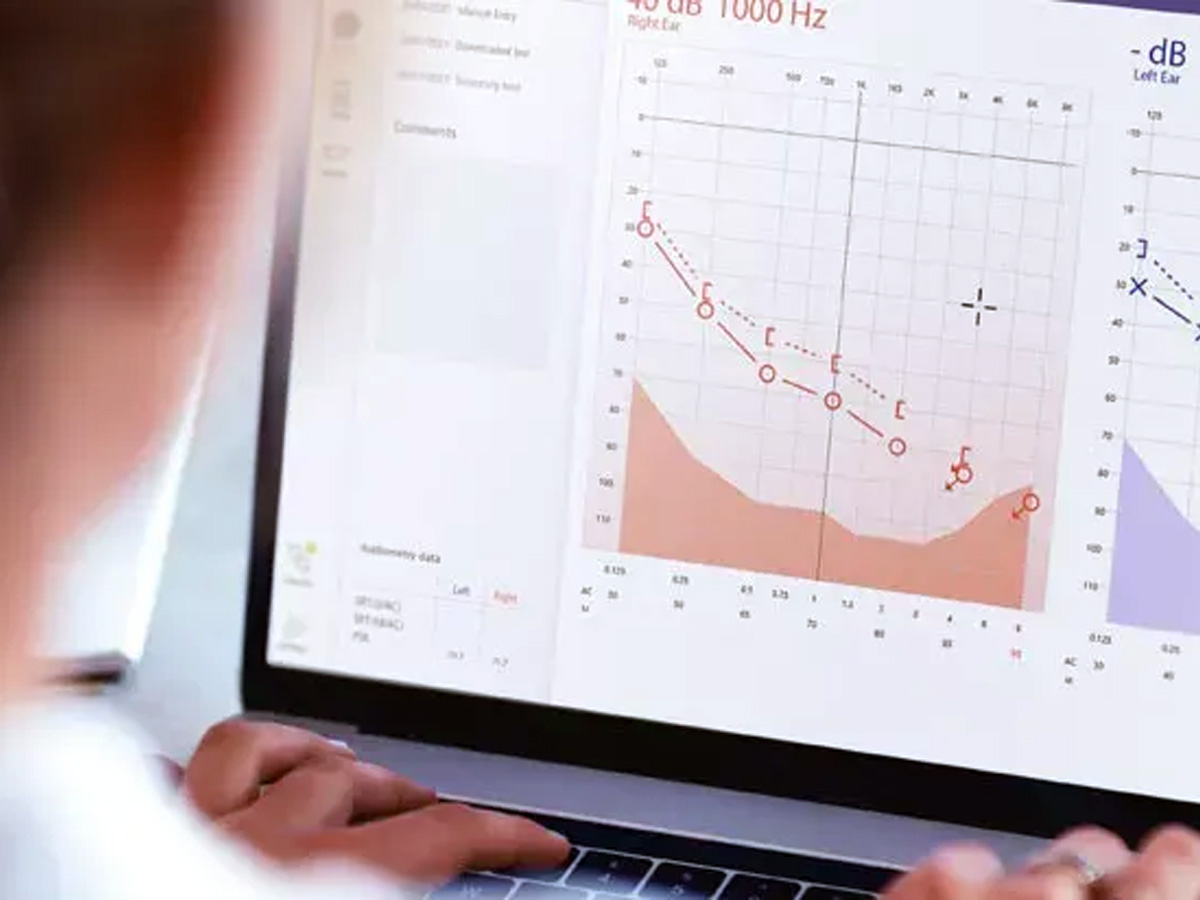
Recommendations are informed by comprehensive audiometric testing, speech clarity measures and established clinical protocols. Decisions are based on measurable findings and listening demands — not trends or promotions.
2. Independence
As an independent clinic, we are not limited to a single manufacturer. This allows us to compare platforms objectively and select technology based on suitability, performance and long-term reliability. Independence protects clinical judgement.
3. Long-term support
Hearing aids require adaptation and ongoing fine-tuning. We provide structured follow-up, verification, adjustment and monitoring to ensure that technology continues to meet changing hearing needs.
Successful outcomes are rarely the result of a single appointment.
OUR APPROACH
How we practice hearing care
Hearing technology is only one component of successful hearing outcomes. The way it is assessed, prescribed, fitted and supported matters just as much. At Complete Hearing Care, our work is guided by three principles.
1. Evidence
Recommendations are informed by comprehensive audiometric testing, speech clarity measures and established clinical protocols. Decisions are based on measurable findings and listening demands — not trends or promotions.
2. Independence
As an independent clinic, we are not limited to a single manufacturer. This allows us to compare platforms objectively and select technology based on suitability, performance and long-term reliability. Independence protects clinical judgement.
3. Long-term support
Hearing aids require adaptation and ongoing fine-tuning. We provide structured follow-up, verification, adjustment and monitoring to ensure that technology continues to meet changing hearing needs.
Successful outcomes are rarely the result of a single appointment.
ONGOING SUPPORT
What to expect from Complete Hearing Care
At Complete Hearing Care, hearing aids are recommended only after assessment and listening to your experience. Whether you begin with a 15-minute technology discussion or a comprehensive diagnostic assessment, our process is deliberate and transparent.

Professional fitting and personalisation
Hearing aids are configured accurately for your hearing profile and lifestyle.
Hearing aid fine-tuning appointments
We'll make adjustments to settings based on your experience, not guesswork.
Support and counselling as you adapt
Ongoing guidance and tips to help you feel increasingly comfortable and confident.
ONGOING SUPPORT
What to expect from Complete Hearing Care
At Complete Hearing Care, hearing aids are recommended only after assessment and listening to your experience. Whether you begin with a 15-minute technology discussion or a comprehensive diagnostic assessment, our process is deliberate and transparent.
Professional fitting and personalisation
Hearing aids are configured accurately for your hearing profile and lifestyle.
Hearing aid fine-tuning appointments
We'll make adjustments to settings based on your experience, not guesswork.
Support and counselling as you adapt
Ongoing guidance and tips to help you feel increasingly comfortable and confident.
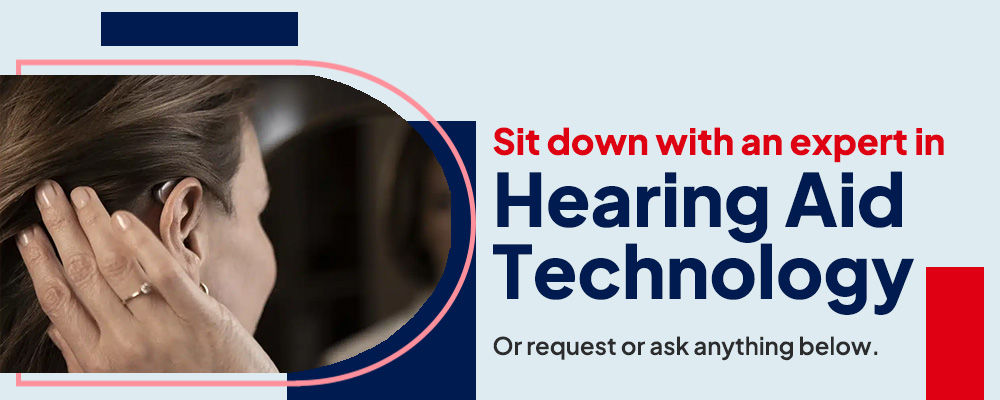
Please let us know your preferred time, and we will confirm your appointment via SMS or phone. Alternatively, ask any question and we'll get back with an answer as soon as possible.
HINT: Leave any unknown fields blank.
No obligation. We’ll confirm a time that suits you.
Want to learn more about your hearing?
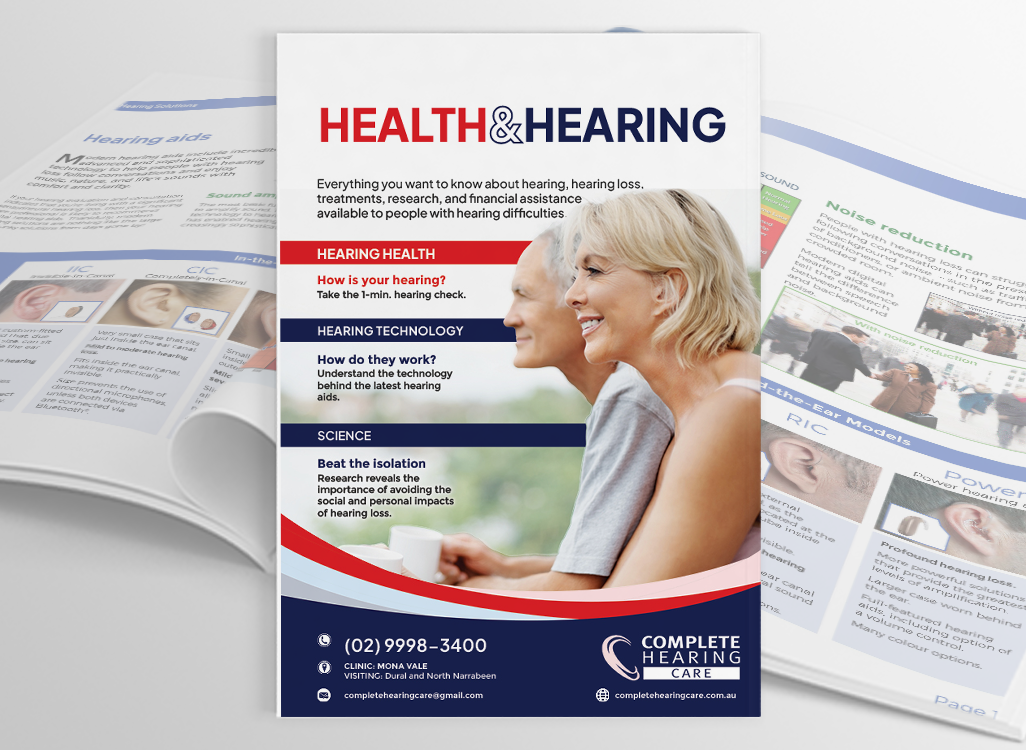
Our Health & Hearing Magazine explains hearing loss, hearing aids, and what to expect at a hearing appointment, so you can feel informed and confident.
Understand the cause of your hearing difficulties
Learn how modern hearing aids really work
Understand the financial support you may be eligible for to cover your hearing care and hearing aids.


© 2026 Complete Hearing Care. All rights reserved.
Everything you need to know about hearing
This complimentary Health & Hearing guide explains hearing loss, hearing aids, and what to expect at a hearing appointment, so you can feel informed and confident.
Understand the cause of your hearing difficulties
Learn how modern hearing aids really work
Understand the financial support you may be eligible for to cover your hearing care and hearing aids.
© 2026 Complete Hearing Care. All rights reserved.